

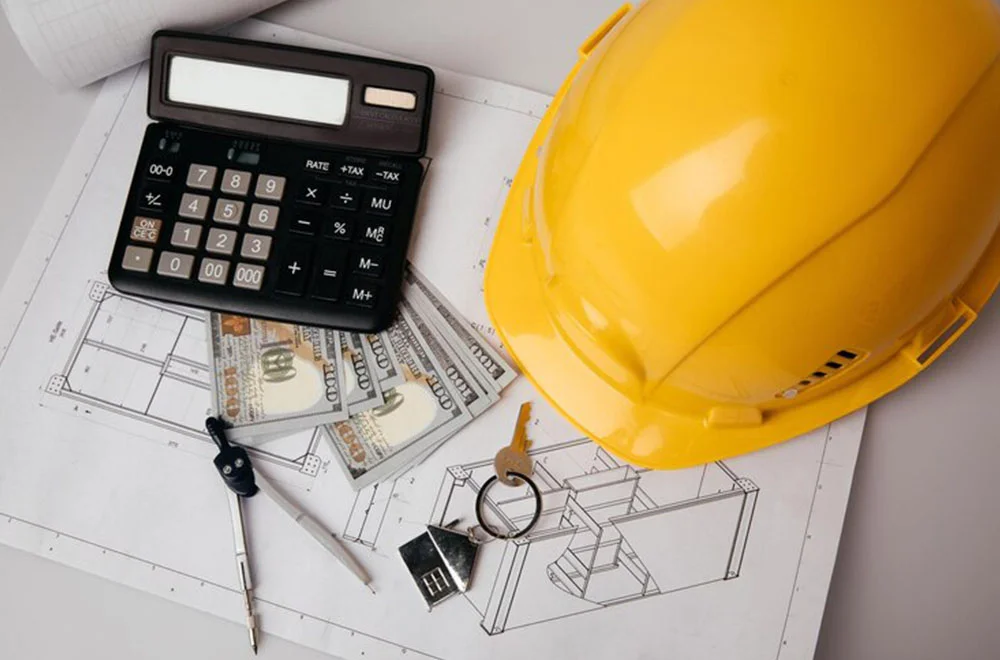
One of the first questions people ask when planning to build is: How much will the project cost?
Although construction cost estimates can provide useful guidance, there is no single price that applies to every building. Two houses with similar floor areas can have very different budgets because of differences in design, specifications, location and ground conditions.
Understanding Construction Costs
Construction costs cover the resources and services required to turn a building design into a completed structure.
These may include materials, labour, equipment, transportation, professional services, statutory charges, site management and external works.
Building Size and Design
The size of a building is an important cost factor, but the floor area alone does not determine the final budget.
Complex architectural forms, multiple storeys, large openings, balconies, special roof structures and customised finishes can affect the amount of work and materials required.
A simple, well-planned design can help reduce unnecessary complexity while still meeting the client's needs.
Materials and Labour
Material selection has a significant influence on construction expenditure. Different grades, brands and specifications have different prices and performance characteristics.
Labour costs also vary according to the location, type of work, availability of skilled workers and complexity of the project.
Comparing quotations should involve checking specifications and quality, not simply choosing the lowest price.
Location and Site Conditions
Where a building is constructed can influence transportation, labour availability, material supply and access to equipment.
Site conditions are equally important. Sloping land, weak soils, difficult access, high groundwater and extensive excavation can increase project requirements.
A site investigation helps identify conditions that should be considered during design and cost estimation.
Professional Fees and Approvals
Building projects may require services from architects, structural engineers, quantity surveyors and other specialists.
Statutory approvals and other regulatory requirements should also be included in the project budget.
The professionals involved and the approvals required depend on the nature and scale of the development.
Managing Your Construction Budget
A detailed budget is one of the most useful tools for controlling construction expenditure.
- Prepare a clear project brief before design begins.
- Obtain coordinated drawings and specifications.
- Request detailed and comparable quotations.
- Track material purchases and labour expenditure.
- Document design changes and their cost implications.
- Allow a reasonable contingency for unforeseen work.
- Review project expenditure regularly.
Avoid making major changes without understanding their financial and technical implications.
A well-managed construction budget is built on accurate information, realistic planning and consistent monitoring.
At Makyn Construction Company Limited, we believe that clear communication and proper planning are essential when managing construction projects.