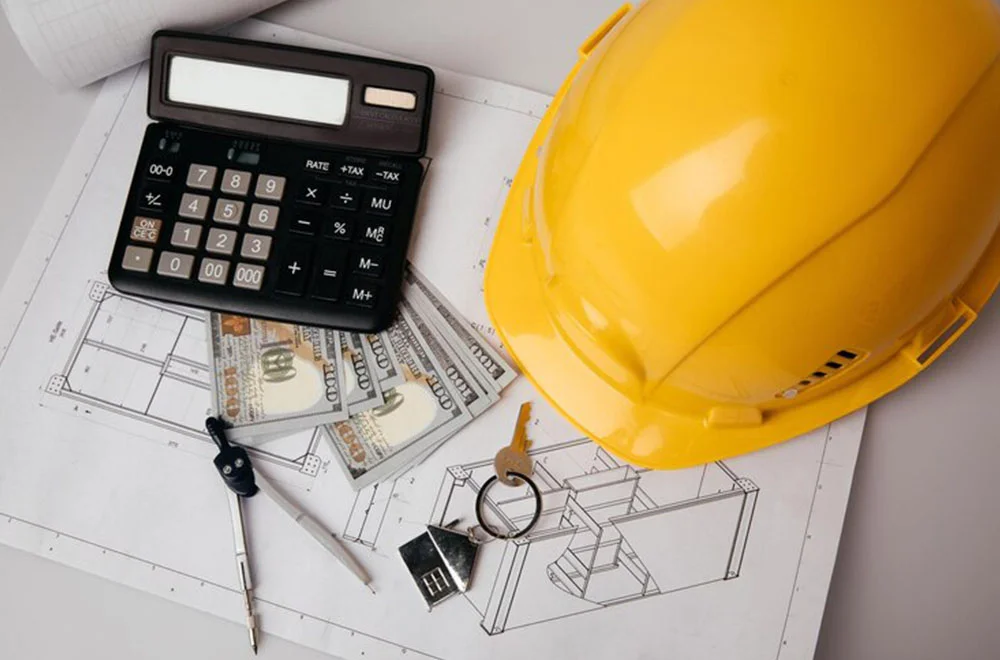


Starting a construction project without adequate preparation can lead to delays, unexpected expenses and avoidable complications.
Whether you are developing a residential home, commercial property or institutional building, proper planning helps establish a clear direction before work begins on site.
Define Your Project Objectives
Begin by establishing what you want to achieve. Identify the purpose of the building, intended users, required facilities and expected performance.
Develop a project brief that communicates the essential requirements. This document will help guide design decisions and discussions with professionals.
Assess the Construction Site
Understand the land before committing to a construction design. Confirm ownership and boundaries, investigate access and establish whether there are restrictions affecting development.
A suitable site investigation should also consider ground conditions, drainage, slopes, groundwater and existing underground services.
Prepare the Design and Specifications
Engage qualified professionals to develop architectural and engineering designs appropriate for the project.
Drawings should communicate dimensions, materials, structural requirements and relevant building services.
Clear specifications help ensure that everyone understands the expected quality and scope of work.
Secure Approvals and Prepare a Budget
Identify the statutory permissions and regulatory requirements applicable to the proposed development. Confirm these with the relevant authorities before starting construction.
Prepare a realistic project budget covering professional fees, approvals, materials, labour, equipment, transportation and external works.
A contingency allowance should be considered to accommodate unforeseen circumstances.
Select the Right Construction Team
Choosing the right contractor is an important part of project preparation. Look for relevant experience, appropriate registration and qualifications, quality workmanship and reliable communication.
Discuss the project scope, payment arrangements, responsibilities, supervision and expected completion period before entering into an agreement.
Develop a Construction Schedule
A construction schedule identifies the sequence of activities and the expected timing of important milestones.
It should consider material procurement, labour availability, inspections, approvals and dependencies between different activities.
Realistic scheduling helps the project team coordinate work and identify potential delays early.
Prepare for Construction
Before physical work begins, confirm that the site is accessible, required approvals are in place, drawings are available and the construction team understands its responsibilities.
Establish communication and reporting arrangements so that decisions, changes and progress can be monitored throughout the project.
The quality of a construction project is influenced by the decisions made before construction begins.
At Makyn Construction Company Limited, we recognise that proper preparation is essential to delivering organised and dependable construction work.