

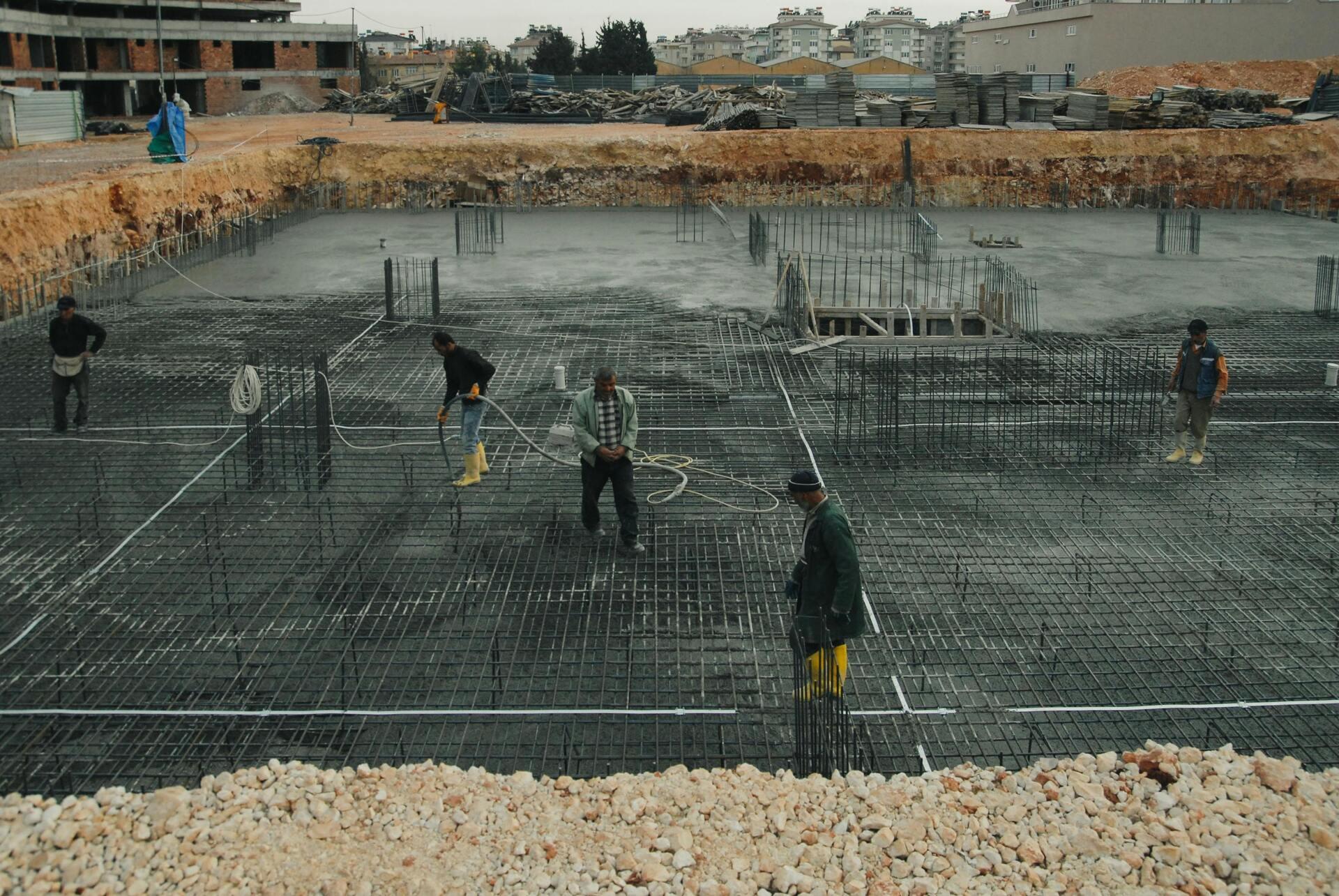
Every successful construction project begins with a strong foundation. Although much of it remains hidden beneath the ground, the foundation plays a critical role in determining the strength, stability and long-term performance of a building.
Whether you are planning a residential home, a commercial building or a larger development, choosing the right foundation is one of the most important decisions you will make during the construction process.
Understanding Building Foundations
A foundation is the structural element that transfers the weight of a building safely into the ground. It distributes loads from walls, columns, floors and roofs to the supporting soil or rock.
A properly designed foundation helps prevent excessive settlement, structural movement and other problems that may compromise the safety of a building.
Common Types of Foundations
Different buildings require different foundation systems. The choice depends on the structural design, ground conditions and loads the building is expected to carry.
1. Strip Foundations
Strip foundations are continuous strips of concrete commonly placed beneath load-bearing walls. They are often considered for buildings where suitable near-surface ground conditions can support the proposed structure.
2. Pad Foundations
Pad foundations are isolated concrete bases that support individual columns. They are commonly used where structural loads are concentrated at specific points.
3. Raft Foundations
A raft foundation is a reinforced concrete slab extending beneath a substantial portion of a building. It distributes structural loads over a wider ground area and may be suitable for certain sites with weaker near-surface soils.
4. Pile Foundations
Pile foundations transfer building loads to deeper, more suitable soil or rock layers. They may be necessary where surface soils cannot adequately support the proposed structure.
Factors That Determine Foundation Choice
Selecting a foundation is not simply about choosing the most popular option. Several important factors must be evaluated before a decision is made.
- Soil conditions: Soil strength, composition and compressibility influence how loads can safely be transferred into the ground.
- Building design: The size, height and structural arrangement determine the loads that the foundation must support.
- Groundwater conditions: The presence and level of groundwater can affect excavation, construction methods and foundation design.
- Site conditions: Slopes, nearby structures, access and underground services can influence the appropriate foundation system.
- Project budget: Foundation selection should consider construction and long-term performance costs without compromising structural safety.
Why Soil Testing Matters
Before construction begins, the ground should be properly investigated to understand its engineering characteristics.
A geotechnical investigation can provide information about soil layers, bearing characteristics, groundwater conditions and other factors that affect foundation design.
Skipping proper ground investigation can lead to unsuitable design assumptions, unexpected excavation challenges and potentially expensive structural problems.
Foundation Mistakes to Avoid
Some foundation problems begin with decisions made before concrete is even poured. Common mistakes include:
- Starting construction without adequate ground investigation.
- Using foundation designs copied from unrelated projects.
- Ignoring groundwater and drainage conditions.
- Making structural changes without professional review.
- Using unsuitable materials or poor construction practices.
- Failing to follow approved structural drawings.
These mistakes can affect the durability and safety of the entire building. Proper planning and professional supervision help reduce these risks.
The Importance of Professional Guidance
Foundation design requires proper engineering assessment. A qualified structural engineer should evaluate the building loads and develop an appropriate foundation design using the available geotechnical information.
Construction should then follow the approved drawings, specifications and applicable building requirements.
A strong building does not begin with the walls or the roof. It begins with a foundation designed to support everything that follows.
At Makyn Construction Company Limited, we recognise the importance of careful planning, quality workmanship and professional construction practices in delivering dependable building solutions.
Planning a construction project? Speak to our team about your building requirements and the next steps towards bringing your vision to life.