
Building a home is one of the most significant investments many people make in their lifetime. From purchasing land and preparing architectural drawings to selecting materials and supervising construction, every decision contributes to the final outcome.
However, construction projects can encounter challenges when important details are overlooked. Some mistakes result in unnecessary expenses, while others can affect the durability, appearance and safety of a building.
Understanding these common mistakes before construction begins can help you make better decisions and protect your investment.
1. Poor Project Planning
One of the biggest mistakes is starting construction without a clear project plan. Some property owners begin building before establishing their requirements, budget, design and expected construction timeline.
Poor planning can result in repeated design changes, material wastage, unnecessary expenses and delays.
Before construction begins, establish the purpose of the building, required spaces, preferred specifications and available budget. Work with relevant professionals to develop a coordinated construction plan.
2. Ignoring Soil Investigation
The ground beneath a building plays a critical role in supporting its weight. Different sites have different soil characteristics, and these conditions can influence foundation design.
Assuming that a particular foundation will work simply because it was used on a neighbouring property can be a costly mistake.
A suitable geotechnical investigation helps establish important information about soil conditions, groundwater and the suitability of the ground for the proposed development.
Foundation design should be prepared by a qualified structural engineer using appropriate site investigation information.
3. Inadequate Budgeting
Underestimating construction costs can interrupt an otherwise promising project. Some homeowners calculate only the cost of major materials without considering labour, transportation, professional fees, approvals and other expenses.
Construction costs in Kenya vary depending on location, design complexity, materials, specifications, ground conditions and market prices.
Prepare a detailed cost estimate that accounts for the different stages of construction. Include an appropriate contingency allowance for unforeseen expenses.
Regularly compare actual expenditure against the approved budget to identify financial challenges early.
4. Choosing Poor-Quality Materials
Selecting building materials based entirely on the lowest available price can compromise construction quality.
Materials must meet the technical specifications and performance requirements of the project. Their suitability, durability, storage and handling should all be considered.
For example, inappropriate roofing materials, poor-quality plumbing fittings or unsuitable concrete ingredients may create problems that are expensive to correct.
Compare suppliers, check product specifications and seek professional guidance before making important material decisions.
5. Hiring Unqualified Professionals
A construction project requires different technical skills and areas of responsibility. Engaging people without the appropriate qualifications or experience can expose the project to unnecessary risks.
Architects, engineers, quantity surveyors and other specialists should be appropriately qualified and registered where required.
Before engaging a contractor or professional, review their relevant experience, credentials, previous projects and references.
Choosing a construction partner should involve more than comparing quotations. Reliability, workmanship, communication and technical capability matter too.
6. Ignoring Approved Drawings
Construction drawings communicate how a building should be constructed. They provide essential information about dimensions, structural components, materials and building installations.
Making unauthorised changes during construction can affect structural performance, building functionality and regulatory compliance.
For example, changing the position of a structural column or removing an important wall without professional assessment may create serious problems.
Follow the approved drawings and specifications. Any proposed changes should first be reviewed by the relevant professionals and approved through the appropriate process.
7. Poor Site Supervision
Even a well-designed building can experience problems when construction activities are not properly supervised.
Poor supervision may result in incorrect measurements, improper material use, inconsistent workmanship and failure to follow technical specifications.
Establish appropriate site supervision and inspection arrangements. Monitor important construction activities and ensure that issues are addressed before subsequent work covers them.
8. Rushing Construction Stages
Construction involves a sequence of activities that depend on one another. Rushing important stages to save time can compromise the quality of the finished building.
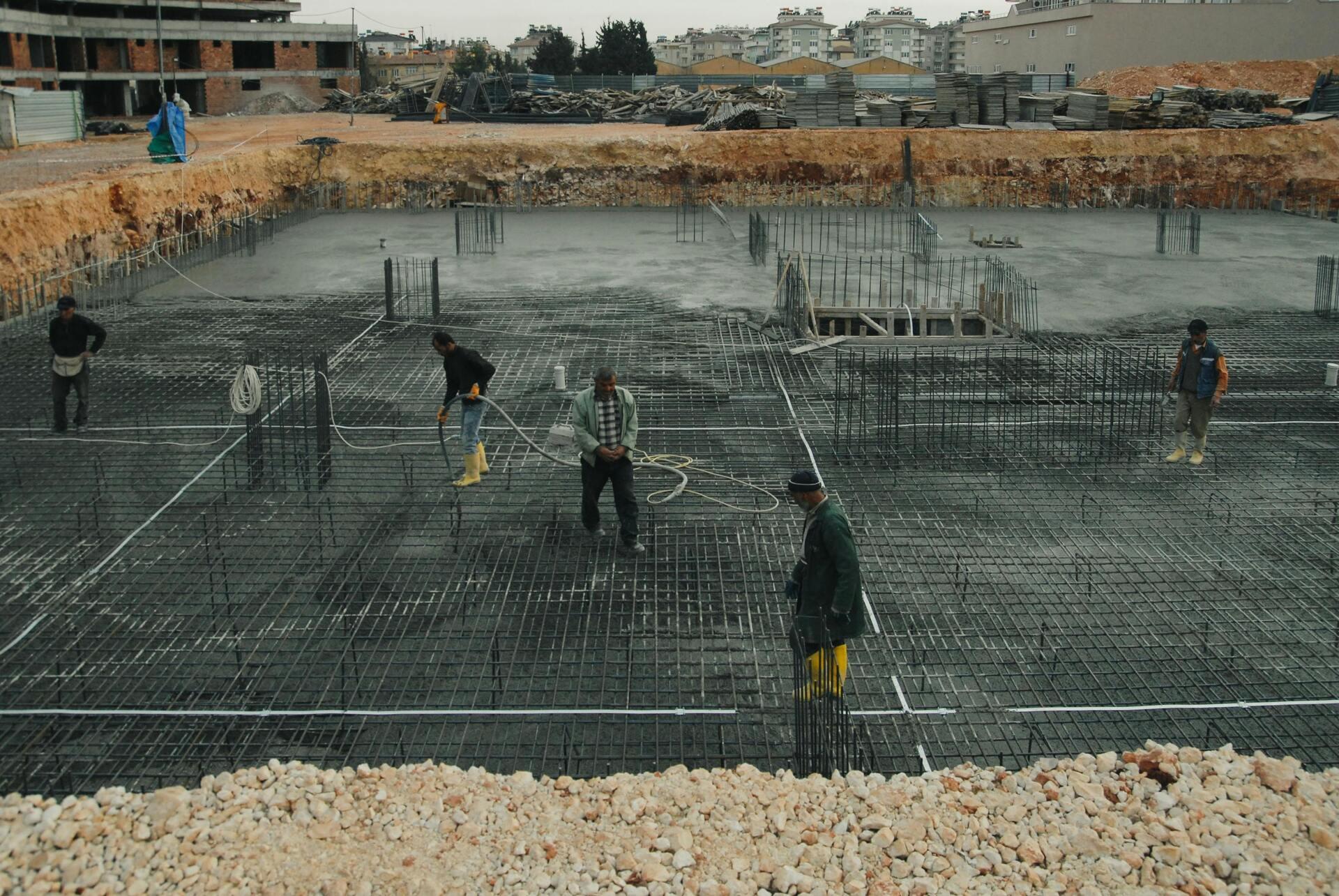
Concrete work, curing, reinforcement placement, waterproofing and other technical activities must follow the appropriate specifications and procedures.
Allow sufficient time for each activity, including inspections and necessary testing. A realistic construction schedule is more useful than an unrealistic completion promise.
9. Neglecting Waterproofing and Drainage
Water-related problems can affect the durability and comfort of a building. Poor drainage, leaking roofs and inadequate waterproofing may lead to dampness, damaged finishes and deterioration of building components.
Pay attention to roof drainage, gutters, downpipes, site gradients and the proper disposal of surface water.
Bathrooms, balconies, roofs and other water-exposed areas should receive suitable waterproofing according to their design and specifications.
Addressing these details during construction is generally easier than repairing extensive water damage later.
10. Neglecting Finishing and Inspection
Finishing work has a major influence on the appearance and usability of a building. Poor tiling, uneven surfaces, badly fitted doors and windows, and careless painting can reduce the overall quality of the project.
However, appearance should not be the only consideration. Important installations, drainage systems, electrical works and plumbing should also be checked.
Before handover, arrange appropriate inspections and prepare a list of outstanding defects. Ensure agreed corrections are completed and relevant documentation is provided.
Building With Confidence
Successful construction depends on a combination of proper planning, technical knowledge, quality materials, skilled workmanship and effective supervision.
Avoiding these ten mistakes does not mean that every construction project will be free from challenges. However, making informed decisions and working with qualified professionals can significantly reduce avoidable problems.
A quality building is not created by rushing the process. It is achieved through careful planning, responsible decisions and attention to every detail.
At Makyn Construction Company Limited, we believe that every successful project deserves a commitment to quality, professionalism and dependable construction practices.
Planning a building or renovation project? Get in touch with our team to discuss your requirements and explore suitable construction solutions.