

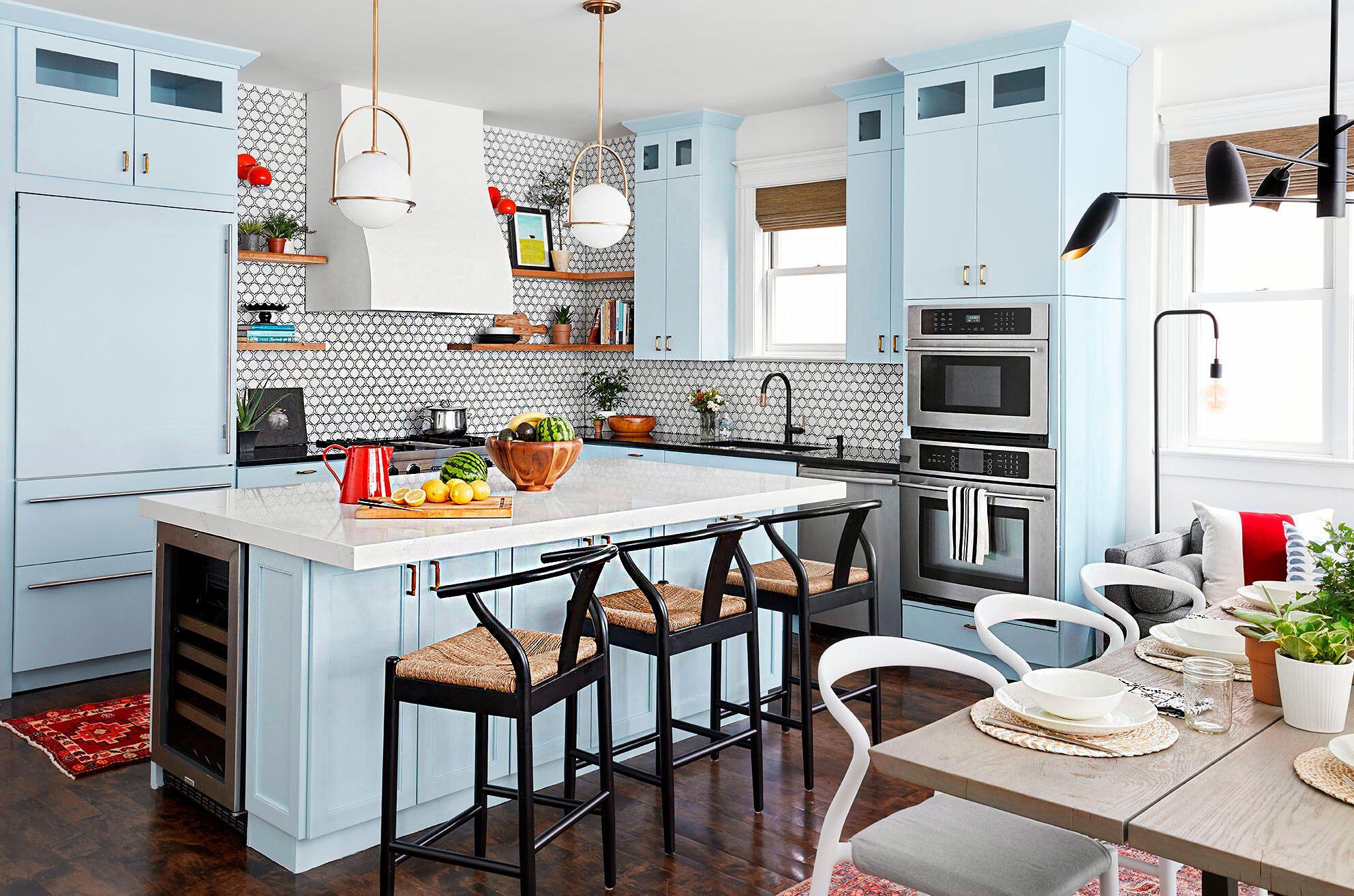
Kitchens and bathrooms are among the most frequently used spaces in a home. Their design affects comfort, convenience, hygiene and the overall experience of living in a property.
Improving these spaces does not always require completely rebuilding them. Thoughtful changes to layouts, fittings, storage and finishes can make a significant difference.
Creating a Functional Kitchen
A good kitchen design should support the activities carried out there every day. Food preparation, cooking, cleaning and storage should be arranged in a practical way.
Consider the relationship between the refrigerator, cooking area and sink. Ensure there is adequate working space, convenient storage and comfortable movement between different areas.
Choosing Kitchen Materials
Kitchen materials should balance appearance, durability and ease of maintenance.
Worktops, cabinets, flooring and wall finishes should be suitable for exposure to moisture, heat, regular cleaning and everyday use.
Compare material quality, installation requirements and maintenance needs before making a final choice.
Designing a Practical Bathroom
Bathroom improvements should begin with a suitable layout. Consider the positioning of the toilet, shower, washbasin and storage areas.
Provide enough clearance for comfortable movement and ensure doors, fittings and sanitary fixtures can be accessed conveniently.
Good storage also helps keep toiletries and cleaning supplies organised.
Waterproofing and Drainage
Bathrooms are regularly exposed to water, making proper waterproofing and drainage particularly important.
Suitable waterproofing systems should be installed in the specified areas, while floor gradients and drainage outlets should direct water appropriately.
Poor waterproofing can lead to dampness, damaged finishes and water penetration into adjoining spaces.
Lighting and Ventilation
Appropriate lighting improves visibility and usability in both kitchens and bathrooms. Task lighting can support food preparation, while well-positioned bathroom lighting helps with everyday activities.
Ventilation is equally important. Proper airflow helps manage moisture, odours and condensation, particularly in bathrooms with limited natural ventilation.
Planning Your Improvements
Before starting work, establish your priorities, budget and preferred finishes. Confirm whether plumbing, electrical or structural changes are required.
Engage appropriate professionals for technical work and ensure installations follow relevant safety requirements.
The best interior improvements combine attractive finishes with practical design and dependable workmanship.
With careful planning, your kitchen and bathroom can become more comfortable, functional and visually appealing spaces.